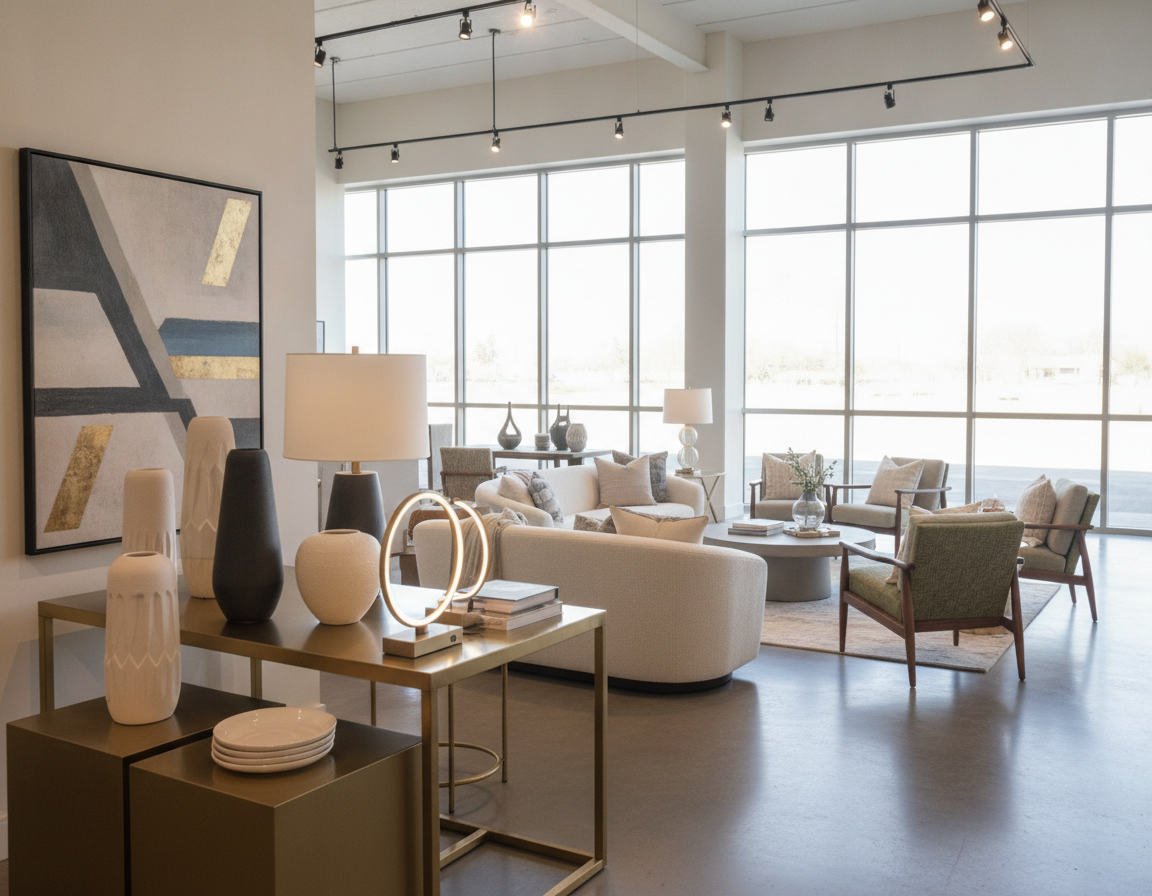
Textured Wall Art for Modern Home Décor
I still remember stepping into my friend’s recently updated apartment last spring. The space immediately felt brighter and more cozy. My gaze was immediately captivated by a striking piece above her sofa.
It wasn’t your usual flat artwork. Its depth was noticeable even at a distance. Bold strokes formed shadows that moved with every change in lighting. When I looked closely at the Big Canvas Art, I noticed layers of paint forming tiny landscapes.
This single encounter transformed my view of interior decorating. Art ought to invite interaction instead of being something you only glance at. The texture imbues depth, turning ordinary walls into focal points for conversation.
I’m eager to share how these dimensional pieces can enhance your space. Whether it’s abstract or nature-inspired, textured wall art injects personality and dynamism into any room. Let’s get into how you can make your walls feel truly alive.
Defining Textured Wall Art
When I ponder wall art that truly transforms a space, my thoughts immediately stray from traditional flat paintings. Textured wall art represents a major step forward in home decor. It’s more than decoration; it feels built into the very structure of your wall.

Why Flat Canvases Aren’t Always Enough
Traditional paintings offer stunning visuals, but they lack a tangible presence. Textured pieces, on the other hand, defy this two-dimensional constraint. They extend outward from the wall, creating shadows and adding depth that changes with the light.
The 3D White Layered Flower Textured Abstract Wall Art I came across is a prime example. Crafted from acrylics on robust canvas, it builds up delicate floral forms that extend towards the viewer. Those stacked layers provide a sense of depth that ordinary flat art can’t achieve.
Texture as the Centerpiece of the Design
What truly distinguishes textured wall art is how texture takes center stage. It’s not a minor flourish; it’s the core of the design. The sense of touch strongly boosts the piece’s effect and emotional connection.
Handcrafted wall art truly shines here. Creators experiment with many methods to shape surfaces that beg to be explored. Mixed media wall art especially blends materials like:
- Thick acrylic paints applied with palette knives
- Structured pastes and modeling mediums
- Added natural materials like sand, fibers, or similar elements
- Layered papers or fabrics
Each piece emerges as a distinct creation that engages multiple senses. The different surfaces reflect light in their own ways, and the patterns shift as you move. This ever-changing quality makes textured art feel alive in your space.
I find it fascinating how these pieces narrate stories through their physicality. You can see the artist’s hand in each tiny detail. It’s more than viewing a piece; it’s sharing in the artist’s creative path.
What Makes Textured Wall Art Perfect for Modern Homes
I’ve noticed a strong change in current home decor trends. It has moved from being a basic accent to becoming the heart of modern rooms. These Textured Wall Art pieces do more than adorn walls; they redefine the room’s ambiance.
How Textured Art Adds Depth to Your Space
Flat art can be beautiful, but textured pieces are genuinely captivating. My Large Textured Portrait in Black and Orange transformed my living room. The raised textures interact with daylight and lamplight, forming shadows that evolve as time passes.
Textured art brings a range of benefits:
- Creates illusion of expanded space
- Adds movement through light interaction
- Offers something visually interesting from all angles
- Blends smoothly with many different decor styles
For me, an Oversized Handcrafted Coastal Wall Art turned into the star of the room. Friends often mention how it shifts the atmosphere from morning to night.
Why the Touch of Art Matters
Textured art truly excels in this aspect. With textured art, you’re able to sense the artist’s gestures under your fingertips. The tactile experience shares the story behind each piece, adding another layer of connection.
Watching people’s reactions to my 3D wall decor is fascinating. Their eyes light up as they explore the artwork’s physical dimension. This sensory connection makes the art feel more personal and alive.
The rise in popularity of abstract home decor reflects our desire for more. We want pieces that engage more than just our eyes and strengthen our connection to our spaces.
Discovering Modern Abstract Painting
I’m drawn to modern abstract painting for its power to communicate ideas without obvious subjects. These Palette Knife Painting pieces communicate through color, shape, and motion, going beyond traditional visual storytelling.
Abstract art encourages a quiet conversation between the viewer and the piece. Each individual’s perception of a piece can vary greatly. That variety of interpretation is what makes abstract art so appealing—it feels personal and open-ended.
Emotion and Energy in Abstract Forms
The most impactful abstract paintings exude a palpable emotional resonance. I’ve seen artworks where colors appear to dance joyfully. Other paintings communicate deep reflection using dark, weighty brushstrokes.
Artists employ color and composition to elicit these emotional responses. A strong red can suggest passion or intensity, while gentle blues bring a sense of calm. How the shapes are arranged fills the piece with movement and energy.
One piece in particular stood out to me, akin to a musical explosion. The harmonious mix of colors felt like a symphony for the eyes. Even without showing anything literal, it communicated a full spectrum of feelings.
How Texture Improves Abstract Home Decor
Texture significantly enhances the impact of abstract art. It brings in a touchable dimension that draws you in and highlights the artist’s technique.
It’s captivating to see how light plays across textured surfaces. Morning light can emphasize specific ridges, while evening light uncovers different details. That constant shift keeps the artwork engaging and in a state of subtle change.
Large, textured abstract pieces command attention in any setting. Their size and texture create a presence that flat art cannot replicate. They serve as focal points, adding both elegance and depth to a room.
Integrating textured abstract art into my living spaces has profoundly altered my experience. They go beyond decoration, engaging with light, surroundings, and viewers, and creating a living, interactive presence.
Techniques Behind the Texture: The Artist’s Touch
Ever stood before a textured piece and wondered how it came to life? The answer is found in the particular methods artists use. They help convert basic materials into compelling three-dimensional art. I’d love to share a few of the techniques that lead to such touchable, textured art.
The Dynamic Results of Palette Knife Painting
Palette knife painting is responsible for some of the boldest textures you’ll see in modern art. They swap brushes for metal knives, spreading paint in thick, textured layers. This approach results in strong, raised textures that reflect light beautifully.
The knife allows for sweeping gestures and sharp edges, something brushes can’t achieve. Each mark captures a moment of the artist’s motion and emotion. I love how these pieces seem to change throughout the day as light plays across their raised surfaces.
Creating Depth with Mixed Media Wall Art
This type of mixed media wall art elevates texture by bringing many materials together. They may mix acrylics with metallic finishes, cloth, or items taken from nature. The result is impressive depth and a rich visual impact.
There seems to be no limit to the combinations; I’ve come across pieces with gold leaf, textured papers, and sculptural pastes. Each material brings its own unique quality to the artwork. The final surface feels layered and complex, drawing you in for a closer look.
Why Handcrafted Wall Art Matters
Handcrafted wall art carries a special energy that mass-produced pieces can’t match. When artists invest their hearts in a unique creation, you can sense that personal link. Each piece becomes a one-of-a-kind expression of creativity.
I appreciate knowing that no two handcrafted artworks are exactly alike. Minor differences and handcrafted details give each artwork its charm. That authenticity helps build a stronger bond between the artwork and the room it lives in.
These techniques are a reminder that art isn’t only about looks; it’s about how we experience it. Texture shares a story of how the piece was made, something flat surfaces can’t truly express.
Choosing the Perfect Scale: The Impact of Large Canvas Art
Selecting the right size for your textured wall art can completely transform a room’s atmosphere. The scale of your artwork communicates different emotions and serves different purposes throughout your home.
Big Canvas Art for Strong Visual Impact
Oversized artworks instantly bring drama and personality to a room. A massive textured canvas becomes the room’s personality, speaking confidence and artistic intention.
One of my favorite large canvas art pieces in my space stretches close to five feet wide. It showcases bold black-and-white swirls that grab your attention as soon as you step in. This kind of big canvas art doesn’t just decorate your wall – it defines your entire space.
Big Abstract Wall Art as a Room’s Centerpiece
Opting for substantial big abstract wall art establishes a powerful anchor for your design. The textured surfaces catch light differently throughout the day, constantly changing the room’s mood.
I’ve discovered that hanging a major piece above the sofa or fireplace brings natural balance to the room. It pulls the eye and sets a color palette that other decor items can echo. Its three-dimensional quality provides depth that flat artwork simply can’t offer.
Using Smaller Textured Pieces for Subtle Touches
You don’t need a large statement piece on every single wall. Smaller textured artworks work beautifully in creating intimate moments throughout your home.
Here are the spots where I usually turn to smaller artworks:
- Hallways and entryways with limited space
- Gallery walls that mix multiple textures
- Bedrooms where a soft touch promotes calm
- Bathrooms that benefit from small artistic touches
These modest pieces let me extend the textured theme around my home without overpowering any room. They add visual interest to areas that might otherwise feel unfinished.
The magic happens when you balance both scales throughout your living space. Larger artworks speak loudly, and smaller ones supply the finishing touches that transform a house into a home.
Placing Your Art for Maximum Impact
Where you place your textured art plays a huge role in how impactful it feels. Over time, I’ve realized that good placement can transform a basic decoration into a true standout. In many ways, placement makes all the difference.
Living Room Wall Art as Your Main Focal Point
Every living room benefits from a standout piece that grabs attention. For me, positioning a large textured piece above the sofa or fireplace makes a big difference. Those areas are perfect for letting the piece stand out as the center of attention.
Reflect on the angles and viewpoints from which guests will see the piece. Ideally, people can appreciate the art from several seating areas. The right living room wall art can spark conversations and set the mood for your home.
Creating a Calm Retreat with Bedroom Wall Art
In bedrooms, you want art that relaxes instead of overstimulating. My preference is to hang gentle, soothing works across from the bed or directly over the headboard. That placement gives you a peaceful view both at sunrise and at night.
Soft textures paired with subtle colors tend to be ideal for bedroom spaces. Ideal bedroom wall art has the calm of a gentle lullaby, supporting relaxation and quiet thought.
Using 3D Wall Decor in Unexpected Areas
Don’t overlook the in-between spaces in your home. Spaces like hallways, entry zones, and home offices are ideal for 3D pieces. These areas often have interesting lighting that shows off texture beautifully.
3d wall decor shines in narrow hallways, where traditional art might seem flat. The interplay of shadows and depth brings these areas to life. Offices also get a boost from textured pieces, adding inspiration.
Lighting is critical in these spaces. Sunlight can emphasize textures by day, and artificial lighting can showcase them at night.
Modern Wall Sculptures: The Ultimate Three-Dimensional Statement
I think of modern wall sculptures as the ultimate form of 3D wall art. They turn ordinary walls into dynamic focal points, drawing the eye and sparking conversation. They don’t just hang on the wall; they interact with the environment, enhancing the overall room.
Blurring the Line Between Art and Object
What makes these sculptures so alluring is their dual identity as artwork and structural accent. You’ll frequently find that they include components such as:
- Organic materials that bring nature indoors
- Shiny metallic accents that immediately draw attention
- Structured geometric patterns that suit contemporary furnishings
- Raised surfaces that invite you to reach out and feel them
They surpass mere decoration and become key pieces that start conversations and shape the room’s identity.
The Dance of Light and Shadow on Sculptures
It’s truly captivating to watch how these pieces change throughout the day. Morning sunlight highlights certain textures differently than the afternoon sun, resulting in a constantly shifting display. I’ve noticed three especially striking effects:
- Striking shadows that change as the sun shifts position
- Textured details that appear to dance over the sculpture’s surface
- Reflective parts that scatter light around the room
This dynamic quality ensures your artwork is always fresh, providing continuous visual intrigue. Light and shadow working together create depth, so the piece feels animated and responsive to its surroundings.
By choosing modern wall sculptures, you embrace art that evolves with your space. You’ll find small moments of discovery each time you walk into the room.
The Unique Magic of Custom Textured Artwork
Having a piece of art crafted just for you feels incredibly special. Although plenty of lovely artworks exist, custom textured pieces make your walls feel deeply personal. It allows you to be part of the creative process, not just picking from what’s already made.
How to Commission a Custom Textured Piece
Beginning a custom textured artwork project with an artist starts with a conversation. You discuss your ideas, your favorite color palette, and the emotions you’d like the piece to convey. The artist takes those ideas and brings them to life, making sure the piece fits your space exactly.
In this way, the piece will both complement your decor and express your individuality. Whether aiming to match room colors or evoke a specific emotion, these pieces become personal treasures. They stand out from mass-produced art, which can’t offer the same personal touch.
Working with Artists for Deeper Personal Expression
The real magic happens in the collaboration between client and artist. It’s not just about buying art; it’s about creating it together. That working relationship allows tweaks and fine-tuning until the artwork feels just right.
Many artists thrive on this creative exchange, bringing new perspectives to their work. Your input guides their choices, from palette knife techniques to mixed media. The final artwork reflects both the artist’s skill and your personal story, giving it more meaning than anything bought off the shelf.
Through this collaborative process, art becomes part of your home’s identity. The texture, colors, and composition all reflect your journey. Every time you look at your wall, you’re reminded of the creative partnership that brought that beauty into your life.
Discovering Unique Wall Hangings and Cultural Pieces
My exploration of textured art has unveiled incredible pieces from across the globe. They’re not just decor; they’re narratives prepared to live on your walls. The quest for unique artwork transforms a mere house into a sanctuary that mirrors your essence.
Global Inspirations in Textured Wall Art
Cultural diversity adds extraordinary textures to the practice of wall art. African mud cloth patterns, for instance, captivate with their rich, earthy tones. By contrast, Asian-inspired pieces frequently show up as delicate paper textures and shimmering gold leaf.
Japanese Wabi Sabi, as a philosophy, has had a strong impact on my sense of style. This art form reveres the beauty of imperfection and the rawness of natural materials. Through understated textures and natural shapes, Wabi Sabi wall art shares deep ideas with gentle subtlety.
Mediterranean pieces frequently incorporate sea glass and textured ceramics, while Scandinavian designs are characterized by their minimalist approach with a hint of woven textures. Each cultural influence offers a unique contribution to your walls.
Unique Finds That Make Your Home Personal
Bringing in one-of-a-kind wall hangings fills your home with unmistakable character. I personally seek pieces that stand on their own, each carrying its own story. Local artisan creations can quickly turn into conversation starters that add richness to your space.
Pieces collected from markets on my travels add another layer of personal history to my decor. Moroccan tapestries convey stories with their textures, and Mexican hand-embroidered pieces add bursts of color and life. Together, these finds shape my home into a portrait of where I’ve been and what I love.
Mixing these one-of-a-kind finds with modern art helps establish harmony. This blend adds depth and personality to your walls, transforming them into a gallery of personal expression.
Curating a Cohesive Look with Contemporary Art Pieces
Introducing textured wall art into your home is only the first step. The real magic happens when you weave these pieces into your existing decor to create a harmonious environment. I’ve found that successful integration requires thoughtful consideration of both texture and color relationships throughout your space.
Combining Textures with the Rest of Your Decor
Texture acts like a conversation point between the artwork and the rest of the room. Personally, I love matching dimensional pieces with textiles and other materials that echo their feel. A heavily textured canvas might sit beautifully against smooth leather furniture or soft velvet pillows.
Here are some textural pairings that often feel balanced:
- Thick impasto artworks next to sleek metallic decor
- Textured woven hangings with warm wooden elements
- 3D wall sculptures with plush area rugs
- Mixed media artwork paired with glass or ceramic pieces
The goal isn’t to match every texture but to build thoughtful contrasts. If your textures harmonize, the entire room feels more deliberate and polished.
Picking Color Palettes that Complement Your Art
Color harmony turns separate pieces into a cohesive collection. I approach color selection by identifying dominant tones in my room first, then choosing art that either complements or intentionally contrasts with these hues.
For neutral spaces, I might select a textured piece with subtle color variations that add depth without overwhelming. In vibrant rooms, bold abstract works can amplify the energy while tying different colors together.
My own strategy is to weave a continuous color story across the room. I might pull one accent color from my artwork and repeat it in smaller decor elements across the room. This creates visual connections that make your contemporary art pieces feel perfectly at home.
Keep in mind that texture alone can change how we perceive color. The same color can look very different on a smooth surface compared to a heavily textured one. Always view your space’s lighting before making final decisions.
Caring for Your Textured Wall Art Collection
Maintenance matters just as much as selecting the artwork. Caring for your textured wall art ensures it stays beautiful for years. Simple practices have kept my collection looking vibrant.
Dusting and Cleaning Delicate Textured Surfaces
Delicate textured surfaces should always be treated carefully. I use a soft feather duster for regular upkeep. This approach prevents damage and keeps the delicate textures safe.
When deeper cleaning is needed, I follow these steps:
- Use a soft, dry brush to loosen embedded dust
- Gently wipe with a microfiber cloth
- Do not apply water or liquid cleaning products
- Always move in the same direction as the texture patterns
Using this approach keeps the artwork intact and dust-free.
Ensuring Long-Term Preservation of Your Investment
Guarding artwork from environmental damage is essential. I make sure art doesn’t sit in direct sunlight to avoid fading and deterioration.
Keeping a stable climate is equally important. I try to ensure that humidity in my house stays relatively consistent. Extreme moisture or dryness can cause damage.
Here’s the checklist I use for preservation:
- Keep away from heating vents and windows
- Maintain stable room temperature
- Swap or rotate artworks seasonally so exposure evens out
- Inspect hooks, wires, and mounting hardware annually
Following these steps has kept my textured artworks in excellent condition. Proper care protects their beauty and value.
Why My Home Will Always Have a Textured Piece
In my home, textured wall art is here to stay. It adds both depth and a distinct atmosphere to every space. I’ve seen it turn ordinary walls into something truly special.
My custom palette knife painting energizes my living room. It serves as more than decoration—it’s a personal statement. Each handcrafted piece tells a story that personalizes my home.
Modern abstract paintings with texture capture light in beautiful ways. They change with the day, keeping my space vibrant and alive.
Large canvas art always makes a powerful statement. It pulls your gaze and becomes the central focal point. Smaller textured additions still offer a gentle, charming presence.
The tactile experience of 3D wall decor is something I really enjoy. It naturally encourages touch and exploration. This physical connection makes each piece feel more immediate and engaging.
Textured pieces reflect my style and personality. They’re part of what transforms a basic house into a welcoming home. I encourage you to explore textured art for your own space.
Look for a piece that really speaks to you. Let it add dimension and emotion to your walls. Your home is worthy of that unique, handcrafted touch.
Frequently Asked Questions
Q: What is textured wall art and how does it stand apart from traditional flat art?
A: Unlike flat pieces, textured wall art incorporates three-dimensional elements that extend from the surface. Rather than being a minor detail, texture acts as a main design feature. Examples include 3D layered floral artworks and handcrafted mixed media creations. They offer both visual and tactile appeal, adding depth and helping your space feel more dynamic and engaging.
Q: How can textured wall art enhance the look and feel of a room?
A: Textured art introduces depth and dimension, often making rooms feel more spacious and dynamic. Whether you choose a large abstract painting or a handcrafted coastal piece, the tactile ridges and peaks invite touch and draw the eye. In my home, these pieces spark conversations and make the space feel alive, blending perfectly with modern abstract home decor and 3D wall decor trends.
Q: How do artists typically create textured effects in wall art?
A: A common approach is palette knife painting, where thick, bold paint layers produce impasto-style texture. Mixed media techniques also blend acrylics with metallic accents or textiles to build richer surfaces. I love handcrafted wall art because each piece carries the artist’s personal touch, making it unique and full of authenticity.
Q: What should I consider when choosing the size of textured art for my space?
A: For a bold statement, go with large canvas art or big abstract wall art to dominate the room and serve as a centerpiece. In my living room, a oversized piece really anchors the space. Smaller pieces—such as a pair of minimalist canvases—work nicely as accents in cozy nooks or gallery walls where you want detail without overwhelming the area.
Q: Where should I place textured wall art in my home?
A: In living rooms, place large neutral abstract art above sofas or mantels so it becomes a focal point. For the bedroom, choose calming pieces like tranquil textured artwork to promote serenity. Remember, hallways and offices also work well for 3D wall decor, letting light accentuate texture over the course of the day.
Q: How do modern wall sculptures function within home decor?
A: These sculptures blur the line between everyday object and art, serving as functional decor that interacts with the room. They work wonderfully with changing light and shadow, producing dynamic, shifting effects over time. I’m constantly fascinated by how these contemporary pieces bring ever-changing beauty and a bold stylistic statement.
Q: Can I work with an artist to create custom textured art?
A: Definitely! Commissioning custom textured art involves working directly with an artist to develop a one-of-a-kind piece. You can customize everything—from the color scheme to the theme—so it fits your style and space. From what I’ve seen, custom art tends to hold extra meaning and helps your home feel more expressive and personal.
Q: What’s the best way to maintain textured wall art?
A: Regularly dust using a soft feather duster or similar tool to protect delicate textures. To preserve your art over time, avoid direct sun exposure and unstable humidity levels. I’ve found that consistent, gentle care keeps my collection looking pristine and protects both its beauty and investment value.
Q: How do I blend textured art with my current decor?
A: Mix textures by pairing your art with complementary textiles, furniture, and other decor elements for a harmonious look. When selecting color palettes, choose art that complements your room’s scheme—for example, a neutral textured floral canvas for soft tones or a vibrant colorful abstract for bold spaces. I enjoy crafting a cohesive aesthetic where every piece sits comfortably with the rest of the decor.
Q: Where should I look for unique or culturally inspired textured wall art?
A: Look for pieces that reflect global influences, like Wabi Sabi art which embraces imperfection, or handcrafted items from specific regions. These one-of-a-kind discoveries inject character and storytelling into your home. I enjoy hunting for unique wall hangings that bring global flair and make my space distinctly personal.